Choosing the right reading resources can boost early literacy and confidence for young learners. This guide highlights five highly regarded books and sets that educators and parents rely on to teach phonics, sight words, and guided reading. Each entry includes practical features, age suitability, and how it supports beginning readers in building fluency and comprehension.
| Product | Brand | Format |
|---|---|---|
| Teach Your Child to Read in 100 Easy Lessons | Touchstone | Lesson-based program |
| Bob Books Set 1: Beginning Readers Box Set | Scholastic | Phonics book series |
| First Little Readers Parent Pack: Guided Reading Level C | Scholastic Teaching Resources | Guided reading collection |
| 100 Words Kids Need to Read by 1st Grade | Scholastic | Workbooks |
Teach Your Child to Read in 100 Easy Lessons
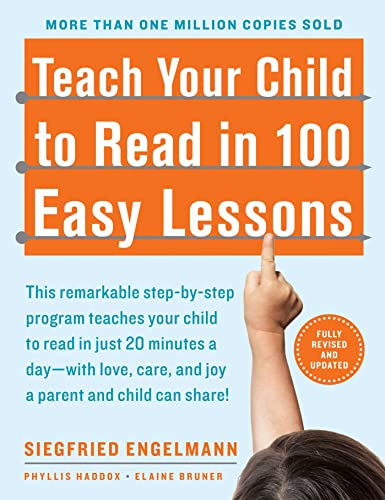
The revised edition of this classic program guides parents through a structured sequence of 100 lessons designed to foster decoding and reading aloud. The approach emphasizes phonemic awareness, letter sounds, blending, and gradual progression to full sentences. It is suitable for home instruction or added classroom support, especially for children who respond well to explicit, step-by-step coaching. While the book uses a straightforward, script-like tone, readers may benefit from a quiet, distraction-free environment during lessons.
Bob Books Set 1: Beginning Readers Box Set

Bob Books Set 1 introduces foundational reading skills through simple, decodable texts. The set is designed for early readers ages 4 and up, with Stage 1 content that supports starting to read through short sentences and consistent phonics patterns. The packaging is user-friendly, and the easy-to-read text helps children build confidence as they practice blending sounds and recognizing high-frequency words. This set pairs well with guided reading and daily phonics practice.
First Little Readers Parent Pack: Guided Reading Level C

This collection offers 25 engaging early readers at Guided Reading Level C, carefully selected to match the progress of beginner readers. A parent guide is included to support at-home practice, making it a practical classroom or homeschooling resource. The books are chosen to be enticing and accessible, helping new readers connect with stories while repeating essential phonics and sight-word patterns. It is widely valued for its classroom applicability and value for families seeking a structured progression.
100 Words Kids Need to Read by 1st Grade

This workbook focuses on essential sight words to accelerate reading fluency. It presents 100 target words and integrates fill-in-the-blank stories, sentences, word riddles, games, and puzzles to reinforce recognition and recall. The format supports repetitive practice in a fun, low-pressure way, helping learners quickly build a high-frequency vocabulary that underpins confident reading. It serves well as a supplemental resource for daily practice or a classroom enrichment option.
Buying Guide
- Reading level alignment: Choose materials that match the child’s current stage, whether decoding through phonics or practicing sight words to boost fluency.
- Format and pacing: Consider whether a program is lesson-based, box sets with decodable readers, or workbook activities to determine the best fit for home or classroom use.
- Guidance for caregivers: Look for resources that include tips, parent guides, or prompts to support at-home practice and active reading conversations.
- Engagement and accessibility: Attractive illustrations, short passages, and varied activities can sustain interest and prevent frustration for early learners.
- Durability and value: Box sets and multi-book packs offer sustained practice, while individual titles may be ideal for targeted skills.
- Assessment potential: Some guides provide progress checks, which help track improvements in decoding, fluency, and comprehension tasks.
- Supplementary resources: Consider integrating games, flashcards, or digital components if available to reinforce skills in different formats.
- Classroom vs. home use: For teachers, look for teacher guides and reproducible activities; for parents, clear guidance on daily routines can improve consistency.
When selecting books for teaching reading, balance explicit instruction with opportunities for meaningful reading experiences. Phonics-focused titles support decoding, while decodable readers reinforce word recognition in context. Combining a structured program with engaging stories can help children develop both the skills and the motivation to become competent readers.