Finding engaging, age-appropriate English as a Second Language (ESL) books for children can boost vocabulary, reading confidence, and a love for language. This guide highlights five top picks that work well in classroom settings, homeschool routines, or family reading time. Each title supports foundational skills, from classic stories to bilingual editions, helping kids connect with language through fun narratives and memorable characters.
| Product | Brand | Highlights |
|---|---|---|
| Alexander and the Terrible, Horrible, No Good, Very Bad Day | Atheneum Books for Young Readers | Humor and relatable feelings to support emotion language and resilience |
| Sesame Street Elmo Manners Books Set | Sesame Street | Eight short tales teaching sharing, politeness, and cooperation |
| Dr. Seuss Beginner Book Boxed Set | Random House Books for Young Readers | Classic beginner-level rhymes to improve phonemic awareness |
| Carson Dellosa Keepsake Bilingual Fairy Tales | Carson Dellosa Education | Spanish-English versions to support bilingual vocabulary building |
Alexander and the Terrible, Horrible, No Good, Very Bad Day

Alexander’s misadventures provide ample opportunities to explore everyday vocabulary and emotional expression. The story’s humorous tone helps reluctant readers stay engaged while practicing narrative structure and sequence. For ESL learners, teachers can pause to discuss feelings, problems, and solutions, or to compare everyday situations in English with students’ home languages. The book’s simple sentences, relatable scenarios, and readable length make it an accessible entry point for early readers mastering pronouns, we, and verbs in common contexts.
Sesame Street Elmo Manners Books Set
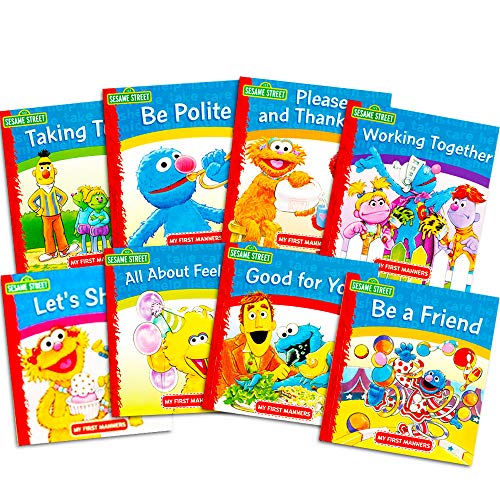
This set combines familiar Sesame Street characters with short, vivid stories focused on everyday manners. Each title emphasizes practical phrases, such as sharing, saying please and thank you, and taking turns. The repetition across eight mini-stories strengthens recall and helps kids internalize polite language in context. Use these books to model polite discourse, role-play social scenarios, and build confidence in conversational English for classroom and home interactions.
Dr. Seuss Beginner Book Boxed Set Collection

Dr. Seuss’s classic rhymes offer a playful gateway to phonemic awareness, intonation, and vocabulary growth. The boxed set includes five beloved titles at a beginner reading level, making it suitable for guided reading sessions and independent practice. The rhythmic cadence and imaginative wordplay encourage kids to predict words, imitate sounds, and experiment with pronunciation. ESL learners often benefit from the predictability and humor that Dr. Seuss stories provide, which can reinforce memory of new words and sentence patterns.
Carson Dellosa Keepsake Stories (Bilingual)

This bilingual book set presents classic fairy tales in English and Spanish side by side. The dual-language layout helps learners connect vocabulary and sentence structures across languages, supporting cognitive transfer and better comprehension. Rich, colorful illustrations provide visual context, aiding vocabulary retention. Teachers and parents can use the bilingual text to model code-switching, compare synonyms, and build confidence in reading across languages. The collection includes familiar tales like The Three Little Pigs, Little Red Riding Hood, Goldilocks, and Jack and the Beanstalk.
Buying Guide
Key considerations for choosing ESL books for kids include age-appropriateness, language level, and instructional goals. For new readers, look for simple syntax, short sentences, and high-frequency vocabulary. Picture support, large print, and repeated phrases aid recognition and confidence. Bilingual editions help with translation and cross-language connections, while rhyming or rhythm-rich texts support phonemic awareness and pronunciation practice.
- Reading level alignment: Ensure the text suits the child’s current reading ability and gradually increases difficulty.
- Vocabulary focus: Consider whether the book emphasizes everyday words, classroom terms, or thematic vocabulary relevant to the learner’s goals.
- Contextual support: Images, captions, and side-by-side translations aid comprehension and retention.
- Cultural relevance: Select stories that reflect diverse experiences and avoid stereotypes to foster inclusive learning.
- Engagement and length: Short, engaging books sustain attention; longer titles can be broken into sessions for sustained practice.
- Teacher and caregiver use: Look for discussion prompts, activities, or questions that align with classroom curricula or homeschooling plans.
Additional Perspectives
ESL strategies vary by learner. Some children benefit from bilingual texts to anchor meaning in their native language, reducing cognitive load during initial exposure. Others thrive with pure English narratives that immerse learners in target-language cues. The combination of classic literature and modern, culturally diverse titles provides a well-rounded selection, supporting vocabulary building, fluency, and reading comprehension without overwhelming the reader. Accessibility features, such as clear typography and large margins, also support early readers with varying visual needs.
In practice, a balanced library might pair a familiar Dr. Seuss title with a bilingual fairy tale and a story focusing on social-emotional skills, enabling daily practice across phonics, comprehension, and language use. Regular reading sessions, paired with simple comprehension questions and speaking prompts, can significantly boost language acquisition in kids learning English as a second language.