Exploring emotions should be engaging and approachable for kids. The following carefully selected mood and feelings flipbooks help children recognize emotions, understand social cues, and learn positive responses. Each title below offers interactive elements—like laminated pages, flaps, and flip mechanisms—designed to support social-emotional learning at home or in the classroom. Use this guide to compare features, scene variety, and portability to choose the best fit for your child or students.
| Product | Brand | Key Benefit |
|---|---|---|
| Torlam Feelings and Emotions Flipbook | Torlam | 20 moods, 10 scenes, emotional regulation |
| The Original Mood Flipbook | My Moods, My Choices | 20 moods, laminated pages, built-in stand |
| Alexander and the Terrible, Horrible, No Good, Very Bad Day | Atheneum Books for Young Readers | Classic story for emotional empathy |
| Maitys Feelings Flip Book | Maitys | Portable, laminates, self-expression focus |
Torlam Feelings And Emotions Flipbook

Torlam’s mood exploration tool presents 20 different feelings, including tired, silly, nervous, and angry, helping children identify how they feel. The flip-chart format features 10 scenes to analyze character emotions and discuss possible responses, building empathy and social awareness. It functions as an emotional regulation aid by linking thoughts, feelings, and behaviors with positive actions. This versatile tool works well in classrooms, therapy settings, and home learning spaces, supporting both early childhood and school-age learners.
The Original Mood Flipbook For Kids
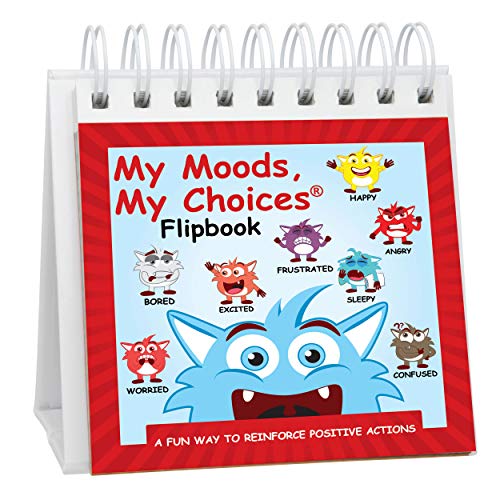
My Moods, My Choices presents 20 distinct moods with laminated pages and a built-in stand for easy viewing. The flipbook covers a wide range of emotions—from angry to hopeful to worried—with suggested positive responses that reinforce coping strategies. Its durable design and travel-friendly sizes make it suitable for car trips, classrooms, or calm-down corners, encouraging independent emotional reflection and practical self-management for children.
Alexander and the Terrible, Horrible, No Good, Very Bad Day

This classic children’s book offers a narrative lens for discussing frustrations and resilience. While not a flipbook, it provides a valuable context for identifying emotions during a challenging day and exploring constructive responses. The story supports conversations about empathy, coping strategies, and the universality of difficult moments, making it a staple addition to any emotions curriculum or reading corner.
Maitys Feelings And Emotions Flip Book

Maitys offers a portable, laminated flip book designed to support mood regulation and social skills. Its compact dimensions and stand-up design allow quick display on desks or in calm-down corners, while vivid illustrations help kids identify feelings and practice appropriate responses. The tool emphasizes emotional expression, self-awareness, and everyday behavioral cues in a kid-friendly format suitable for toddlers and preschoolers as well as educators and parents.
Buying Guide: Key Purchase Considerations
- Age appropriateness: Look for age guidance on the product page and choose materials that match your child’s cognitive level and reading ability.
- Format and durability: Laminated pages, durable bindings, and flip mechanisms extend use in busy classrooms or homes with active children.
- Emotional range: A broader set of moods may help kids label subtle feelings, while a focused set can suit younger children for ease of learning.
- Visual design: Colorful illustrations, expressive faces, and clear labels support quick recognition and retention of emotional cues.
- Portability: Consider size and weight for on-the-go learning, car rides, or small-group activities.
- Educational goals: If you want explicit coping strategies, choose tools that pair emotions with positive actions or problem-solving steps.
- Support materials: Some products include built-in stands, scene prompts, or teacher/parent guidance—useful for structured activities and discussions.
- Inclusivity: Choose varied characters and scenes that reflect diverse experiences to foster empathy across backgrounds.
Emotional literacy is a foundational skill for children’s social development. When selecting a mood flipbook or feelings picture book, balance entertainment with educational value, and align the choice with your learning objectives, daily routines, and the child’s attention span. The items above offer a spectrum of interactive formats designed to help kids name emotions, understand triggers, and practice constructive responses in a supportive, engaging way.