Starting flute study with solid method books helps new players build tone, technique, and reading skills efficiently. The following five beginner-friendly titles cover fundamentals such as posture, breathing, long tones, scales, and progression through ensemble playing. Each selection comes from reputable publishers and offers clear progression for beginners learning flute in a home practice setting or a classroom. Use these as a structured path to establish good habits early and to support gradual, measurable improvement.
| Product | Brand | Format | Key Focus |
|---|---|---|---|
| W21FL – Standard of Excellence Book 1 – Flute | Kjos Music Company | Book | Fundamentals, repertoire excerpts, ensemble basics |
| Trevor Wye: Beginners Book for the Flute – Part One | Novello | Book | Tone, breathing, posture, basic technique |
| Beginner’s Book for the Flute – Part Two | Novello | Book | Continuing technique, simple pieces |
| Sound Innovations for Concert Band, Book 1: Flute | Alfred Music | Book & Online Media | Beginning method with online resources |
| Method Flute Elementary | Rubank Publications | Book | Foundational technique for beginners |
W21FL Standard of Excellence Flute Book 1

The W21FL edition from Kjos Music Company represents the flute-specific portion of a broader Standard of Excellence method. Features include instructional material designed for beginners, with exercises and pieces aimed at establishing fundamental tone, articulation, and technical progression. This volume is commonly used in school programs and private study to create a structured path from initial notes to simple ensemble excerpts. It emphasizes consistency in hand position and breath support as foundational skills for developing a clear flute sound.
Trevor Wye: Beginners Book for the Flute – Part One

This primer by Trevor Wye focuses on essential flute fundamentals for beginners. It covers tone development, breathing techniques, and proper posture through illustrated lessons. The book is widely praised for its approachable explanations and practical exercises that help beginners establish a solid embouchure and consistent sound production. It is suitable for self-guided learning and as a supplementary resource alongside teacher-led instruction.
Beginner’s Book for the Flute – Part Two

Part Two continues the progression from Part One with additional technique work and repertoire appropriate for early beginners. The book is designed to extend skills in a manageable way, reinforcing reading and finger coordination while introducing new musical concepts. It complements Part One by maintaining a gentle pace and clear objectives for practice sessions.
Sound Innovations for Concert Band, Book 1: Flute

Sound Innovations for Concert Band Book 1 presents a beginner-friendly approach to instrumental technique with an emphasis on consistency and progression. It combines a traditional print format with online media resources to enhance student engagement. The flute portion focuses on posture, tone, articulation, and rhythmic accuracy, and it is suitable for classroom use as well as private study. The format supports teachers with complementary materials and exercises aligned to standard band curricula.
Method Flute Elementary
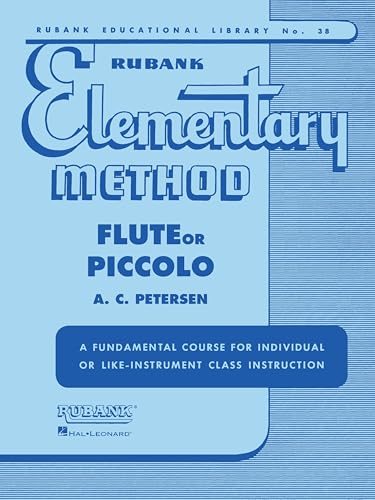
Method Flute Elementary from Rubank Publications provides foundational technique geared toward newcomers. The book emphasizes essential skills such as long tones, finger patterns, tone production, and basic reading. It is widely used in beginner studios and school programs for its straightforward approach and reliable progression, helping students establish a strong technical base before moving to more advanced etudes and repertoire.
Buying Guide: Key Purchase Considerations
- Skill level alignment: Choose a method that matches your current ability and gradually increases difficulty to avoid frustration.
- Format and resources: Some titles include online media or companion audio which can aid practice and tracking progress.
- Repertoire balance: Look for books that mix technique exercises with beginner-friendly pieces to maintain motivation.
- Publisher credibility: Reputable publishers often ensure clear instructions, durable print quality, and classroom-ready content.
- Teacher guidance: If you have access to a teacher, select a book commonly recommended by instructors to facilitate a cohesive learning path.
- Boilerplate extras: Consider whether you want a book that also addresses posture, breathing, and tone in depth or one focused more narrowly on technique.
- Compatibility with ensemble work: If you plan to join a band or orchestra, choosing a book with ensemble-ready pieces can ease transition into group playing.
For beginners, a combination approach is often effective: a foundational method (such as Trevor Wye Part One or Beginner’s Book Part One) paired with a comprehensive method that includes reading and technique progression (like Sound Innovations Book 1). This pairing supports tone development, correct embouchure, breath control, and rhythmic accuracy while gradually expanding repertoire and reading fluency for performance readiness.