Looking for a comprehensive planner and journal combo? This guide highlights five top options that blend daily planning with journaling, designed to boost productivity and keep tasks, goals, and routines on track. Best for busy professionals, students, and goal-oriented planners who want structured days with space for reflection. The picks emphasize undated or flexible layouts, half-hour or hourly blocks, and clear goal-tracking features. See the quick product table below for a snapshot of each option.
| Product | Best For | Format | Key Benefit |
|---|---|---|---|
| The Phoenix Journal | Goal-oriented planners seeking a proven system | Daily, weekly, monthly planning; quotes and prompts | Structured daily focus with journaling prompts |
| Legend Undated Weekly Planner (Periwinkle, Gold) | People who prefer weekly planning with goal setting | Undated weekly spreads with monthly calendar | Flexible start and clear weekly tasks |
| Anecdote Daily Planner (Evergreen) | Professionals and students needing a durable, undated option | Daily, weekly, monthly sections; 26 weeks option | Balanced daily pages with long-range planning |
| Wykeham’s Executive 2026 Daily Journal Planner | Executives and busy professionals needing space for notes | Daily pages with monthly planning | Ample space for planning and reflection |
| Legend Undated Weekly Planner (Rose Gold) | Goal-driven planners who want a stylish, flexible planner | Undated weekly format with monthly calendar | Elegant layout with practical weekly planning |
The Phoenix Journal
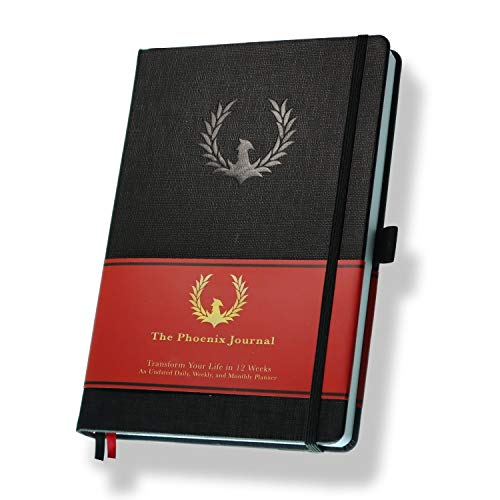
The Phoenix Journal pairs a daily planner with journaling prompts to boost motivation and focus. It emphasizes a clear system for self-improvement and purposeful daily actions. The hourly schedule and daily notes features support time-blocking and reflection, making it suitable for goal-driven individuals who want a compact, hardbound planner. A potential limitation is that the system requires consistent daily use to maximize benefits.
Legend Undated Weekly Planner – Periwinkle, Gold

This undated weekly planner centers on weekly goal setting with a monthly calendar and to-do lists, helping users plan ahead without being locked to a specific start date. It’s best for goal-oriented planners who want flexibility and a stylish but practical design. A consideration: undated formats rely on consistent weekly use to maintain momentum.
Anecdote Daily Planner w/ 2026-2027 Calendar

Anecdote combines daily, weekly, and monthly planning in a durable hardcover design. It supports undated scheduling, enabling start-anytime use, which is helpful for students and professionals who prefer flexibility. The pairing of daily tasks with broader academic or professional goals makes it a strong all-around option. Consider that undated planners require self-discipline to maintain ongoing consistency.
Wykeham’s Executive 2026 Daily Journal Planner

Wykeham’s Executive offers spacious daily pages and double-page monthly spreads, making it ideal for executives and professionals who need room for notes, meetings, and reflections. The 100GSM paper helps reduce bleed-through for careful writers. Best for users who value ample writing space and a professional aesthetic. Limitation: larger format may be less portable for some users.
Legend Undated Weekly Planner – Rose Gold
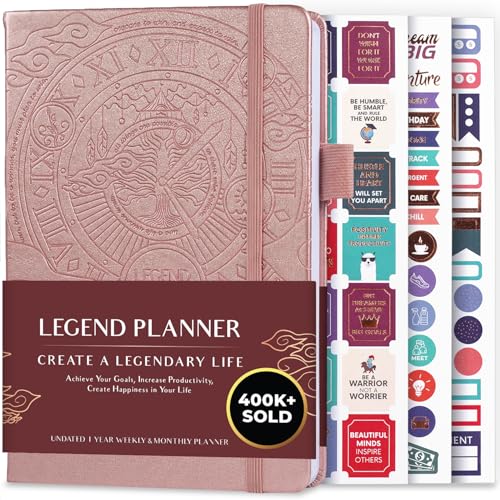
This rose-gold accented weekly planner emphasizes undated planning with a clear weekly view and monthly calendar. It’s best for users who want a touch of style without sacrificing function. A potential drawback is that undated formats require proactive scheduling to stay current with goals.
Buying Guide: Planner And Journal Combos
- Undated vs dated: Undated planners offer flexibility for start dates and mid-year purchases, while dated planners emphasize a fixed schedule. Consider your start date and consistency needs.
- Daily vs weekly focus: Daily layouts suit busy professionals with variable tasks; weekly formats support big-picture planning and habit tracking. Pick based on your planning rhythm.
- Space and layout: Check page counts, half-hour blocks, and note sections. More space improves readability and reduces overpacking tasks in a single day.
- Durability and portability: Hardcover bindings and paper quality matter for longevity and writing feel. Consider whether you need a compact size for daily carry.
- Goal tracking and journaling prompts: Some planners include prompts and habit trackers that encourage reflection, which can boost long-term motivation.
- Professional vs personal use: Choose a design and aesthetic that aligns with your lifestyle—professional looks for work, or more colorful layouts for personal planning.
- Paper quality and bleed-through: Thicker paper reduces ink bleed, especially with gel or fountain pens. If you use markers, verify compatibility.
- Budget and value: Compare pages per dollar, durability, and included features. A higher upfront cost may yield better long-term value if it lasts a full term.
Frequently Asked Questions
- What is the main difference between daily and weekly planners? Daily planners allocate planning space per day, while weekly planners show tasks and goals across the week, aiding big-picture organization.
- Are undated planners better than dated ones? Undated planners offer flexibility for mid-year starts, while dated planners help maintain a fixed schedule and momentum.
- Should I prefer a hardcover or softcover planner? Hardcover planners are generally more durable; softcover can be lighter and more flexible for pocket storage.
- How important is paper quality? Higher GSM paper reduces bleed-through and improves writing comfort, especially if you use fountain or gel pens.
- Can a planner double as a journal? Yes, many planners include space for notes, reflections, and prompts to function as a journal alongside scheduling.
- What features signal a good planning system? Clear layout, logical sections (daily/weekly/monthly), task prioritization, habit tracking, and prompts for reflection indicate a strong system.