Summer break can be a fertile time for keeping academic skills fresh without the intensity of daily homework. The following handpicked workbooks cover core subjects, quick daily activities, and skill-building exercises designed to prevent learning loss while fitting busy family schedules. Each pick includes a concise summary of what it offers and how it helps students from elementary through early middle school levels.
| Product | Grade Range | Subjects Covered | Format |
|---|---|---|---|
| Summer Bridge Activities Volume 7 | 5th–6th | Math, Reading, Science, Social Studies, Writing | Workbooks with Flash Cards |
| Summer Bridge Activities Volume 6 | 4th–5th | Math, Reading, Science, Social Studies, Writing | Workbooks with Flash Cards |
| Evan-Moor Daily Summer Activities | 7th–8th | Reading, Writing, Math, Geography | Workbook |
| Summer Bridge Activities Volume 4 | 2nd–3rd | Math, Reading, Science, Social Studies, Writing | Workbooks with Flash Cards |
| Summer Bridge Activities Volume 3 | 1st–2nd | Math, Reading, Science, Social Studies, Writing | Workbooks with Flash Cards |
Summer Bridge Activities 5th–6th Grade, Volume 7
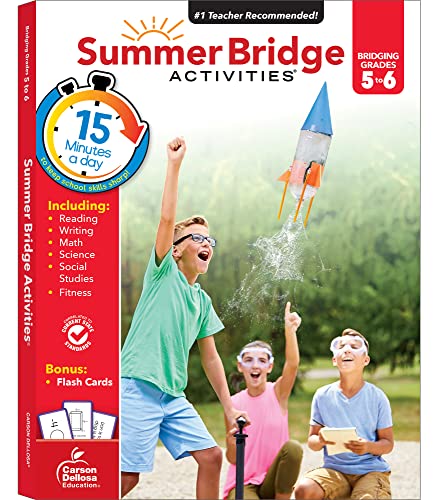
Volume 7 provides a broad curriculum across language arts, math, science, social studies, and writing practice, with flash cards to reinforce daily practice. The book is designed to be used in short daily sessions—about 15 minutes—so families can maintain momentum without feeling overwhelmed. It aligns with current state standards, helping parents support ongoing learning outside the classroom. The included activities emphasize skill maintenance and confidence-building, making it suitable for families seeking a structured but flexible summer plan for fifth and sixth graders.
Summer Bridge Activities 4th–5th Grade, Volume 6
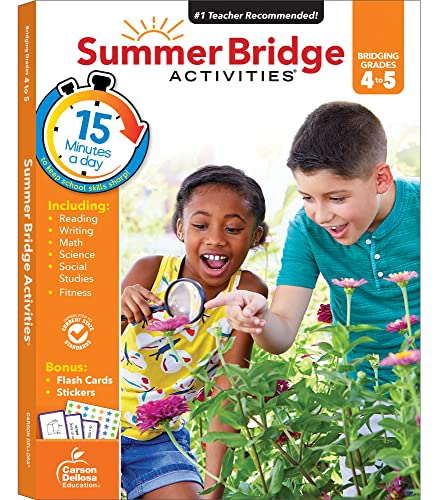
This volume targets fourth and fifth graders with a blend of language arts, math, science, and cross-subject activities designed to curb summer learning loss. Each activity is crafted for roughly 15 minutes, allowing daily engagement that reinforces previous skills while introducing upcoming concepts. The inclusion of writing practice and flash cards provides a well-rounded approach to daily learning, helping students stay sharp in reading comprehension and foundational math skills during the break.
Evan-Moor Daily Summer Activities, Grade 7–8

The Evan-Moor workbook focuses on preventing learning loss for seventh and eighth graders through a set of daily activities spanning reading comprehension, writing, math, grammar, punctuation, spelling, and geography. The program emphasizes critical thinking through targeted prompts and problem-solving tasks. It’s designed to be used in short daily sessions, which helps maintain momentum without overwhelming students who may be juggling other summer commitments or enrichment programs.
Summer Bridge Activities 2nd–3rd Grade, Volume 4
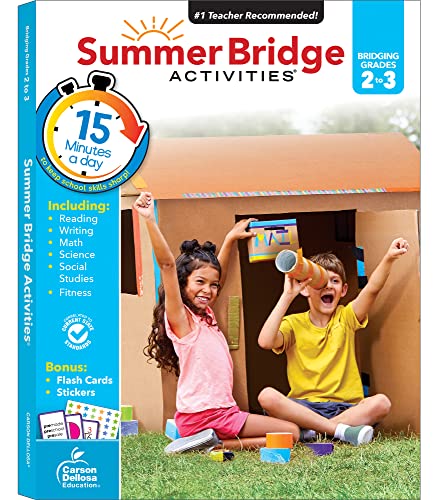
This volume targets early elementary learners with a balanced mix of language arts, math, science, social studies, and writing practice. The activities are designed to be completed in short sessions, which is ideal for daily routines during the summer. It focuses on retaining skills from the prior school year while introducing relevant concepts for the next grade, helping students approach fall with more confidence and less learning loss.
Summer Bridge Activities 1st–2nd Grade, Volume 3
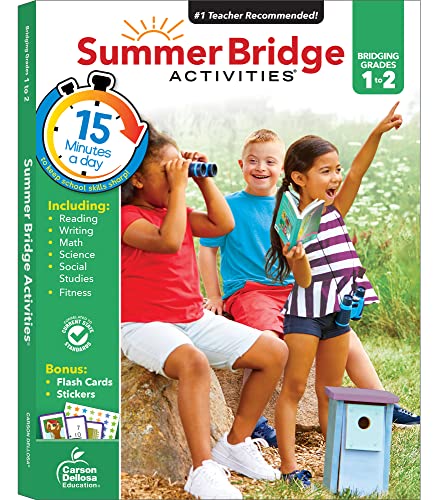
Tailored for first and second graders, Volume 3 emphasizes a kid-friendly mix of math, reading comprehension, science, and writing practice. The program aims to prevent summer learning loss by embedding quick, focused tasks that reinforce foundational skills and prepare children for the upcoming grade level. The simple, engaging activities are suitable for parents looking for a structured, readable program that maintains momentum through the quieter vacation months.
Preschool Big Fun Workbook

Although tailored to preschoolers, the Big Fun Workbook covers essential early literacy and math fundamentals such as ABCs, sight words, colors, and shapes. It’s a solid option for younger children who will benefit from consistent, play-based practice that builds a readiness foundation for later grades. The book is structured to offer engaging activities that can be completed in short sessions, helping caregivers introduce a gentle summer learning habit early on.
Buying Guide: Key Considerations For Summer Learning Workbooks
- Grade-level alignment: Choose materials that match the child’s current grade and provide a bridge to the next level, preventing both summer loss and skill gaps.
- Subject breadth vs. depth: Decide whether you want a broad, all-in-one workbook (covering math, reading, science, and writing) or a targeted resource focusing on a specific area, such as reading comprehension or math fluency.
- Time commitment: Look for programs advertised as 15-minute daily activities for sustainable daily practice. Short sessions are easier to maintain and less likely to overwhelm.
- Format and engagement: Consider whether the format (workbook pages, flash cards, or integrated activities) fits the learner’s preferences. Visuals, puzzles, and varied tasks can boost engagement for younger students.
- Standard alignment: Materials that reference current state standards may help parents align summer activities with upcoming classroom expectations.
- Progress tracking: Some workbooks include answer keys, scoring rubrics, or quick checks to monitor progress and adjust the plan as needed.
- Cost and longevity: If you need multiple children or multiple summers, consider the long-term value and whether you’ll reuse the book or buy new editions annually.
- Age-appropriateness: Ensure content difficulty matches the child’s readiness to avoid frustration or boredom, balancing challenge with support.
Summer learning plans benefit from a mix of guided structure and flexible practice. The selections above provide varied approaches—from comprehensive volume sets to targeted skill builders—so families can tailor a plan that fits their routines and learning goals. Always review sample pages or table of contents to confirm alignment with your child’s needs.